The Brief
Alessi is a 100-year-old Italian design house, historically positioned through its designer collaborations and playful take on tradition. Awareness is strong among design-literate older consumers, but the brand is pretty invisible to under-30s, gifting aside. Meanwhile, the "taste economy" on social platforms is dominated by fast-moving, disposable design trends.
I posed myself a strategy task for this brand: my challenge is to (through a structured framework identifying interesting viewpoints and real attitudes) develop a platform that makes Alessi culturally relevant to a young adult audience, without diluting its design credibility or lifting from trending industry content.
Below is my thought process, so you can see what this strategy structure is adhered to, and where it allows thinking off script - culminating in a shoot I directed, fulfilling the execution portion, all presented as a concept, not a finished brand idea.
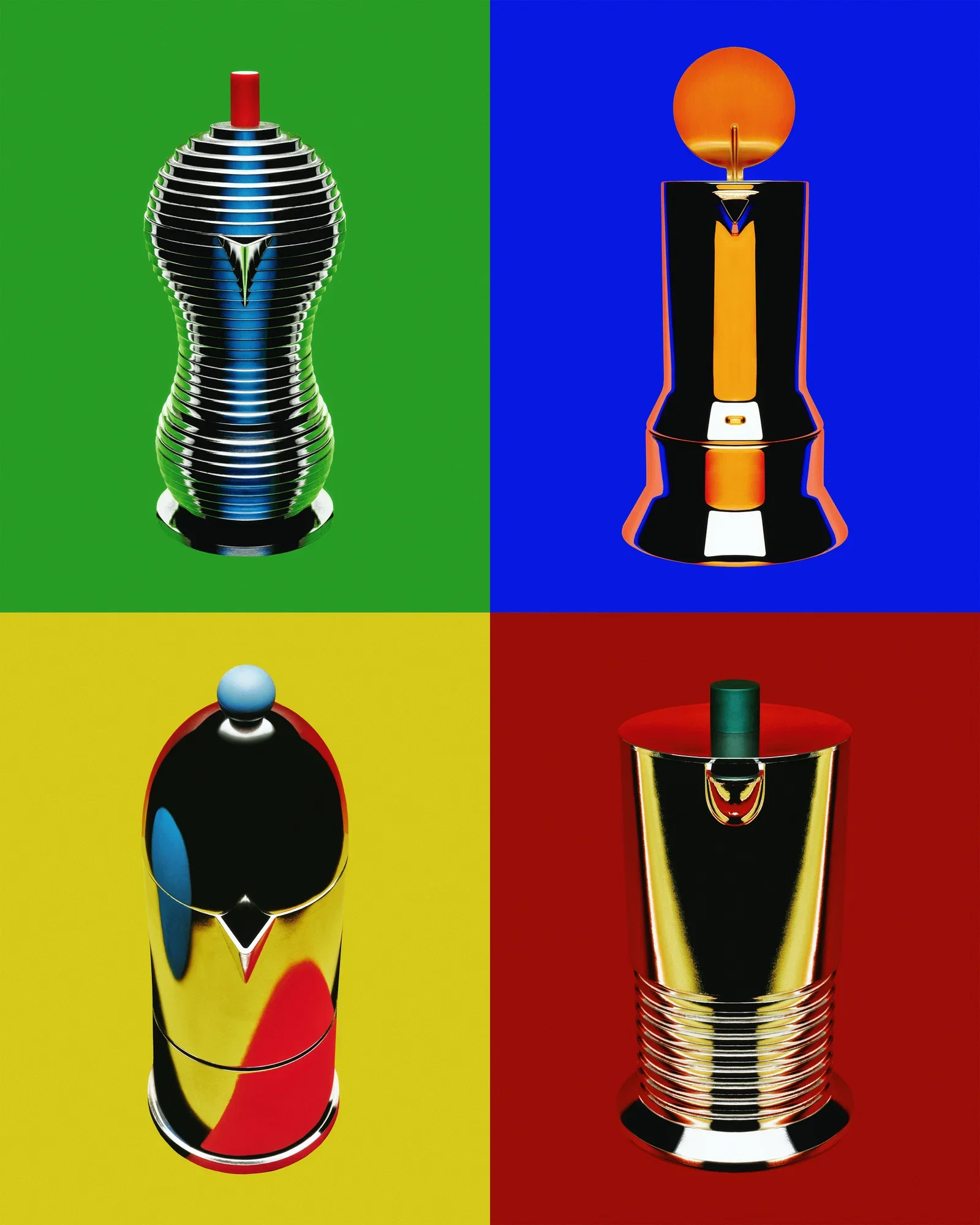
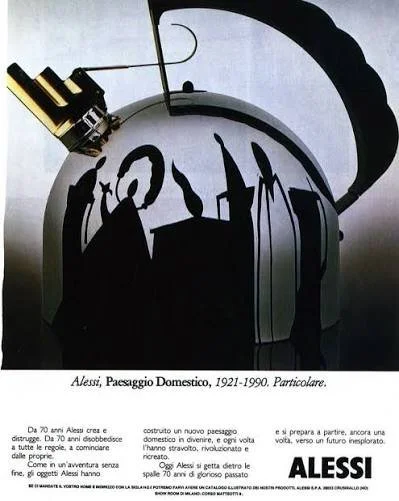
I’ve also included some wicked published Alessi historical advertising that I found along the way, which actually fed my inspiration for its essence - I love it, but wanted to push this brief to really showcase 2026 as an aesthetic, and use it as a tool instead of rejecting it.
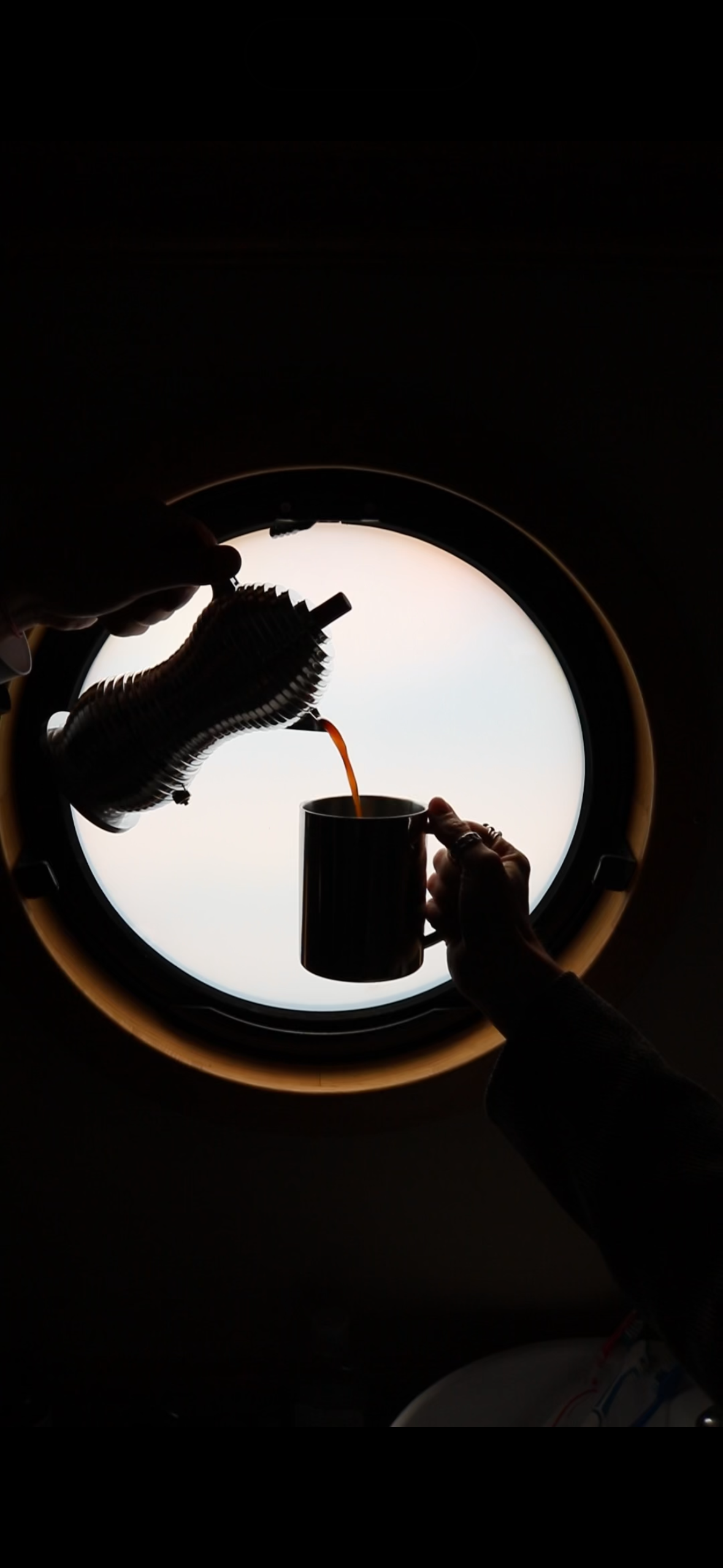
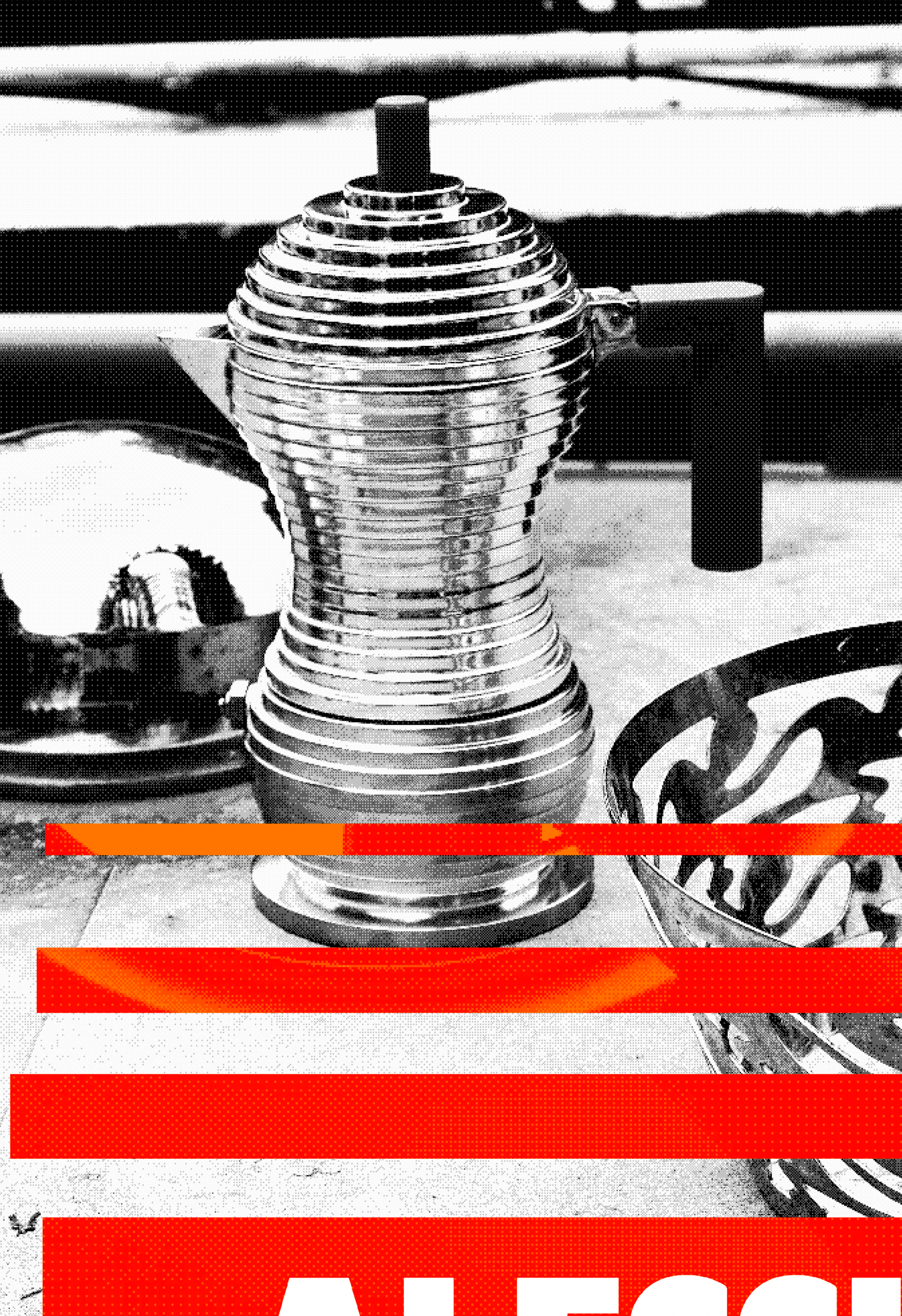
Mine
Not Mine
Four - step synthesis
Quantitative fact Young adults are moving into their first owned or long-term rented homes later, but spending more per item when they do — buying fewer, more considered pieces rather than furnishing everything at once. (first-flat furnishing has become slower and more deliberate — fewer purchases, chosen with intent.)
Repeated qualitative phrase Your own observed pattern: friends describe Alessi almost identically — unprompted — as the thing that "just says something" about a space without anyone having to say it out loud. It comes up as a marker, never as a talking point.
Competitive gap Design-led brands targeting this audience (HAY, Studio brands, TikTok "aesthetic" homeware) win through visibility — loud colour, trend-cycle virality, constant content. None currently own restraint as a signal of taste. The gap isn't a product gap, it's a tone gap.
Cultural shift A visible fatigue with performative, algorithm-driven "aesthetic" culture — a pull toward things that are quietly durable, not styled for the feed. Longevity itself has become a status signal, in direct opposition to fast, disposable trend content.

Analysis to Synthesis: Four different signals — spending behaviour, what my friends actually say, what competitors aren't doing, and a broader cultural mood — signalling the direction: taste that doesn't need to explain itself. Alessi already has a sense of permanence that competitors can’t invent.
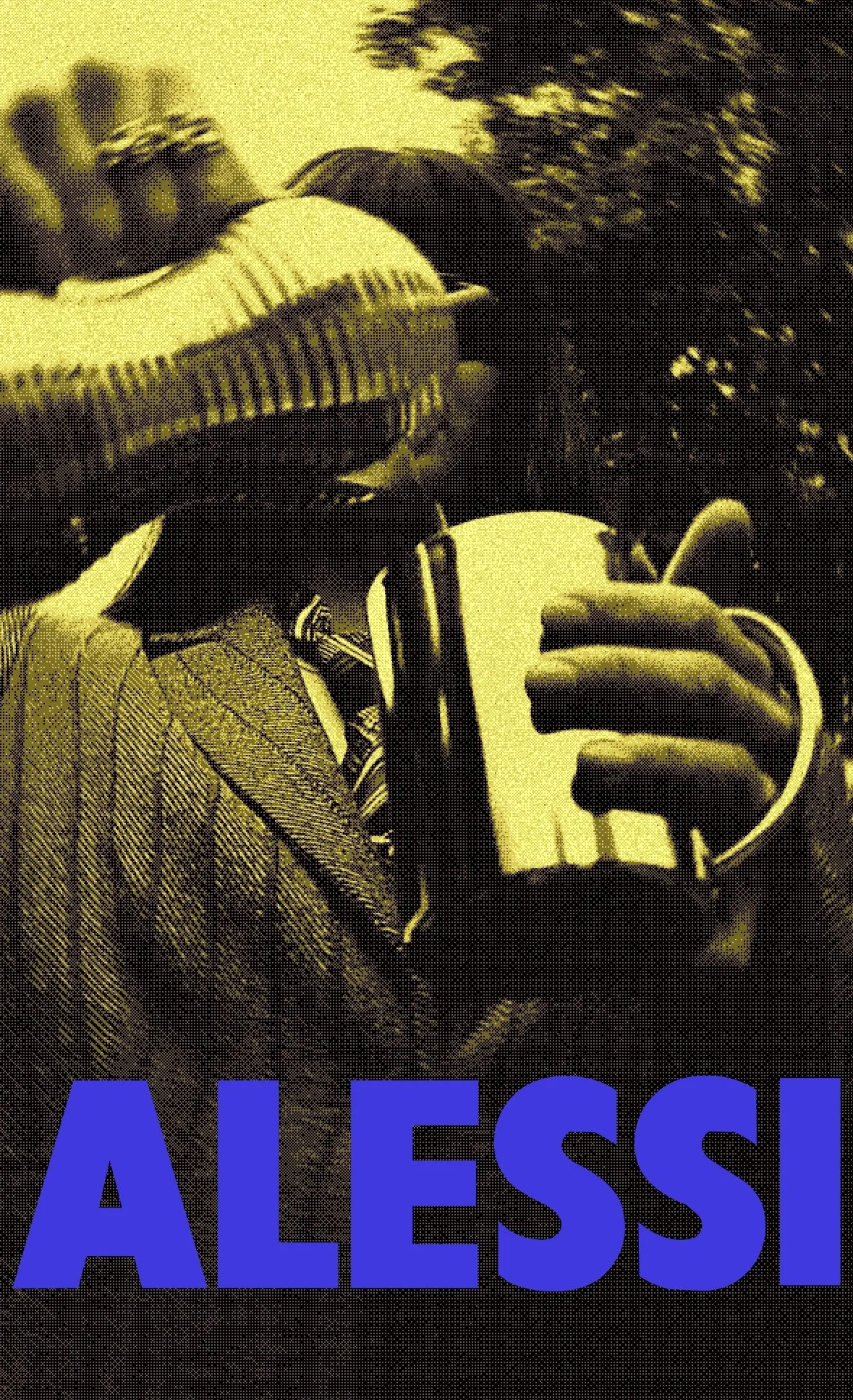
Mine
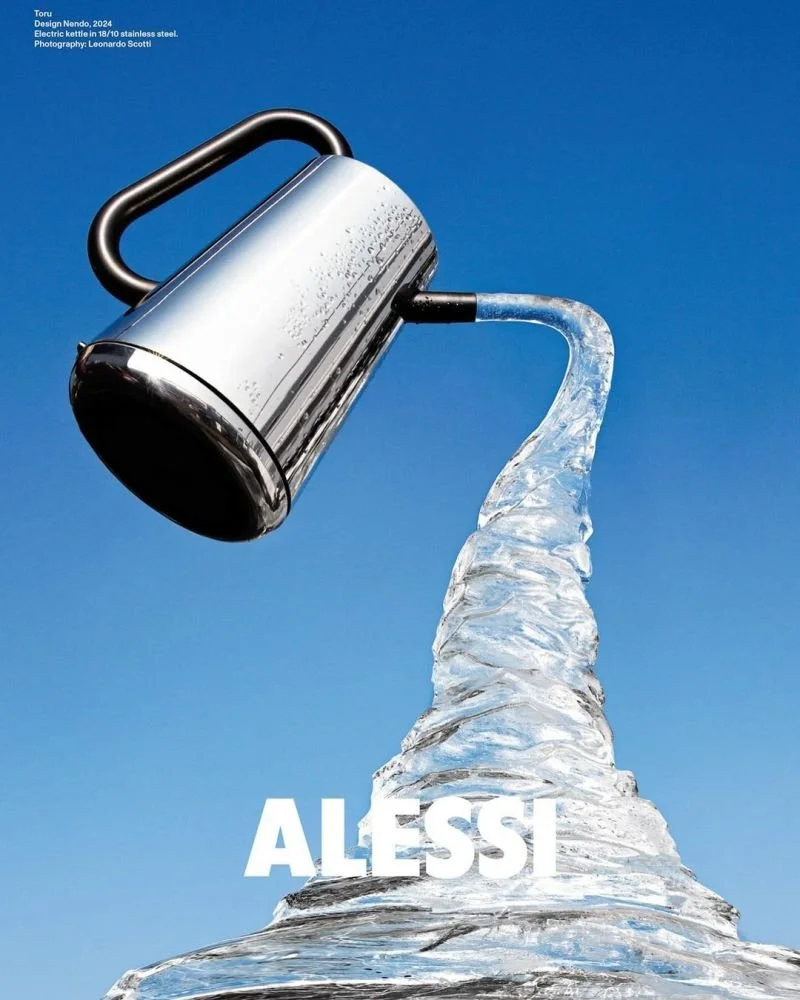
Set location: Houseboat, ‘home, anywhere’
The shoot, inspired by historical advertising
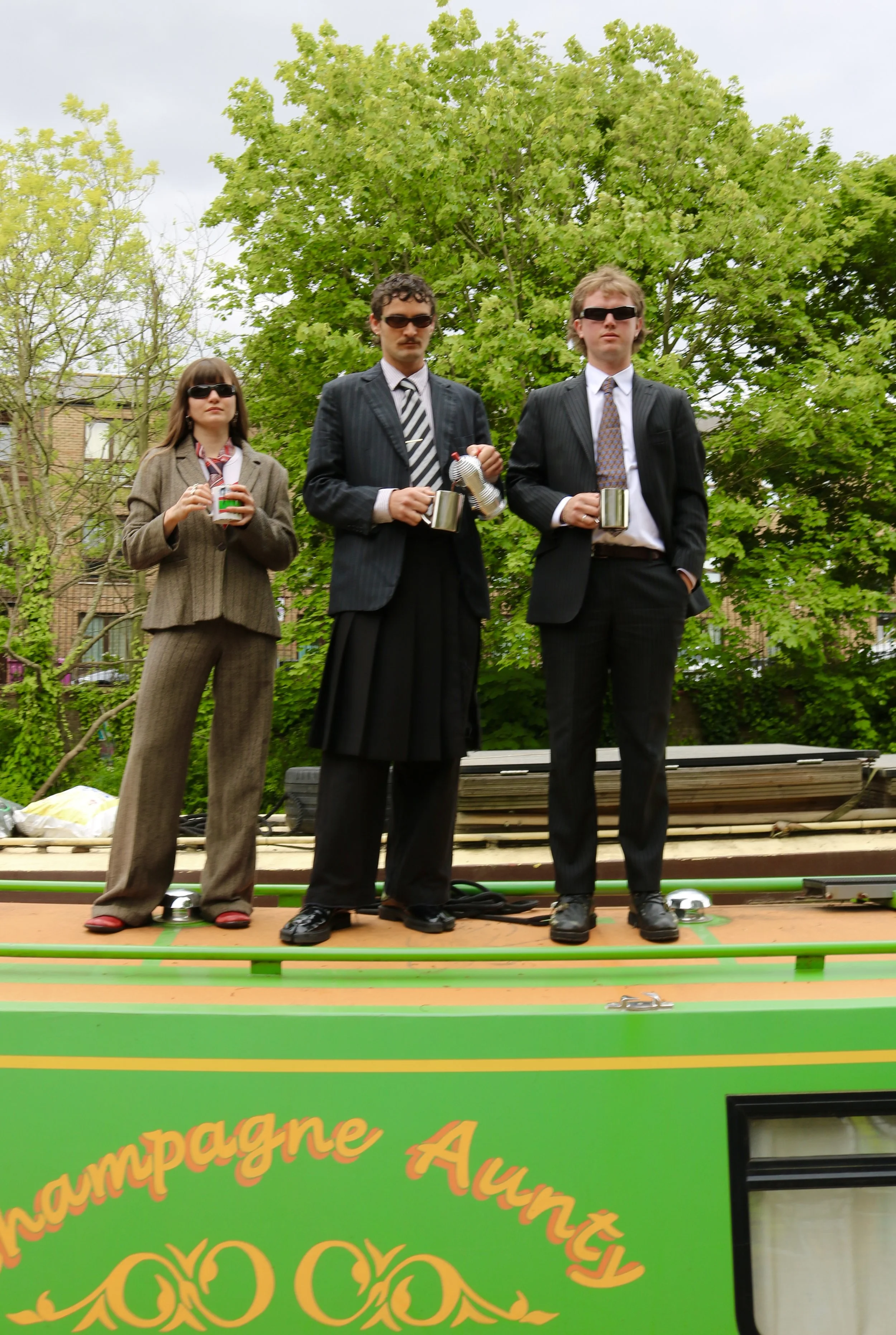
from the boat
from the boat

from the boat